Unit 22: Colors and Symbols in Film
Warm-up and Vocabulary
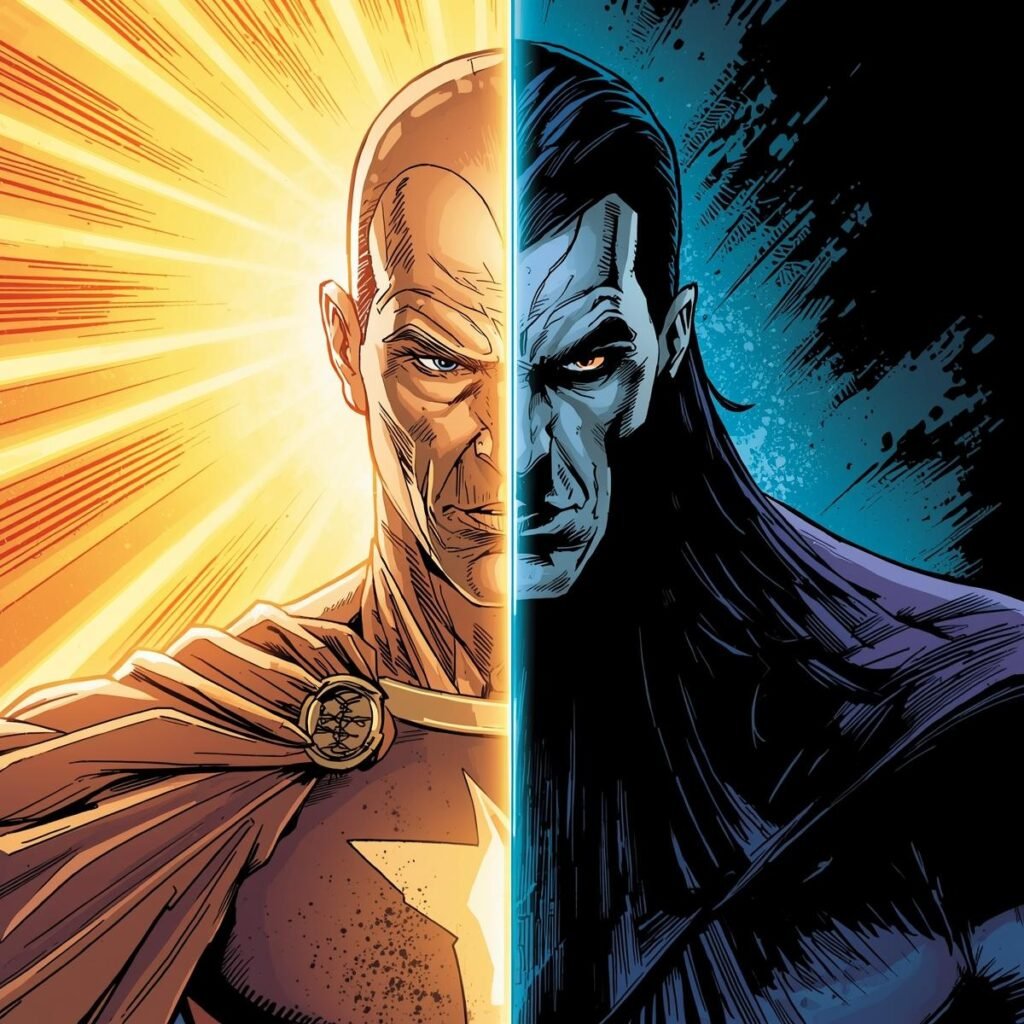
Lights, Camera, Action! Welcome to Unit 22. Have you ever noticed that bad guys in movies often wear black? Or that sad scenes are usually blue? Filmmakers use colors and symbols to tell us how to feel without saying a word. Today, we will become writers who can explain these movie secrets. We will practice Paraphrasing—writing meaningful sentences in our own unique way. Let’s go to the movies!
Vocabulary List
Read the list below carefully. You will need these words to practice writing and paraphrasing.
- Symbol: An object that represents an idea (e.g., A heart symbol = love).
- Represent: To stand for or mean something.
- Villain: The “bad guy” or enemy in a story.
- Hero: The main character who does good things.
- Mood: The feeling or atmosphere of a scene (scary, romantic, sad).
- Costume: The clothes worn by actors.
- Lighting: How light is used in a movie (bright, dark, shadowy).
- Depict: To show or describe something.
- Innocent: Not guilty; pure (often represented by the color white).
- Evil: Very bad or wicked (often represented by black or red).
Activity 1: Let’s Discuss
Look at the questions below. Think about your answers or discuss them with a partner.
- Think of a horror movie. What colors do you usually see? (Dark, red, black?). How does it make you feel?
- If a character holds a white flag in a war movie, what does it mean?
- Who is your favorite movie villain (bad guy)? What do they wear?
The Art of Paraphrasing
In academic writing (and the TOEFL test), copying sentences directly is called plagiarism. You must Paraphrase. This means saying the same thing, but with different words and grammar.
Strategy 1: The Synonym Swap
Replace key words with synonyms (words that mean the same thing).
- Original: “The movie uses red to show danger.”
- Paraphrase: “The film uses crimson to represent danger.”
- Tip: Don’t change special words like “Disney” or “Harry Potter.”
Strategy 2: The Grammar Flip (Active to Passive)
Change the sentence structure. Move the Object (the thing receiving action) to the front.
- Original (Active): “The director chose dark lighting.”
- (Subject = Director, Object = Dark Lighting)
- Paraphrase (Passive): “Dark lighting was chosen by the director.”
Step-by-Step Example:
- Original Sentence: “Black costumes usually represent evil characters.”
- Step 1 (Swap Words): Black clothes / symbolize / villains.
- Step 2 (Flip Grammar): Villains are symbolized by black clothes.
- Final Paraphrase: “Villains are often symbolized by dark clothing.”
Skill Practice
Complete the following 4 exercises.
Exercise 1: Word Search
Find the 10 vocabulary words in the grid below. Words are Horizontal (Left to Right) or Vertical (Top to Bottom).
Exercise 2: Matching Synonyms
Exercise 3: Active to Passive
Choose the sentence that correctly changes the structure from Active to Passive (or vice versa) without changing the meaning.
Exercise 4: Fill in the Paraphrase
Complete the paraphrased sentence by filling in the blank with the correct verb form or preposition (by, in, with) to make the passive voice correct.